

FAITH, FAMILY & GNOCCHI: AN ITALIAN CELEBRATION

Actualizado: 7 feb
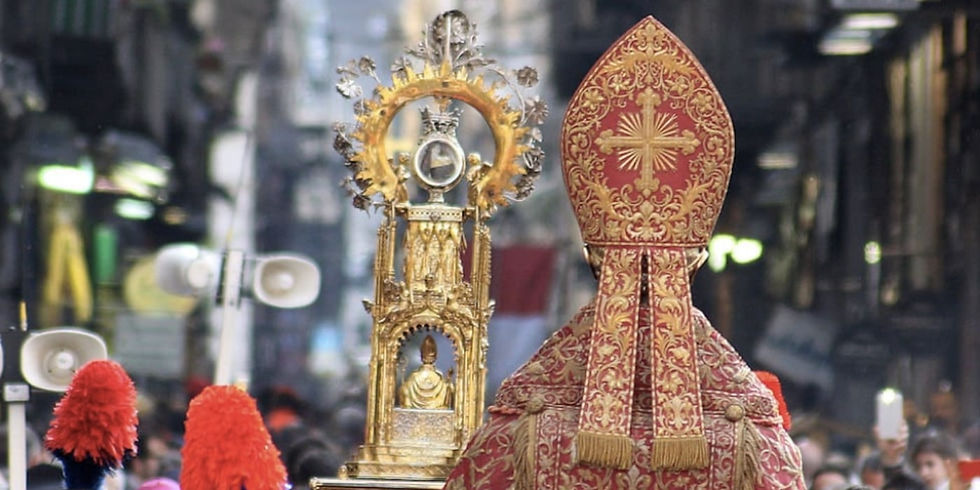
Since 1926 the Feast of San Gennaro in New York City has been a cherished tradition brought to life by Italian immigrants from Naples, to honor their beloved patron saint.

Por Ximena Hidalgo Ayala
Historiadora, fundadora y directora ejecutiva del Comité Internacional Galo Plaza y de su exclusivo network de empresarios y profesionales XHA Club, dedicado a promover la integración a través de historia, educación y cultura.
Fe, Familia y Ñoquis: Una Celebración Italiana
Desde 1926, la Fiesta de San Gennaro en la ciudad de Nueva York ha sido una tradición entrañable, instaurada por inmigrantes italianos de Nápoles para honrar a su querido santo patrón.
Este año, la Fiesta de San Gennaro comienza el jueves 11 de septiembre y se extiende hasta el domingo 21. Es una de las celebraciones más vibrantes de la ciudad de Nueva York, que combina fe, gastronomía y el orgullo perdurable de la comunidad ítalo-estadounidense.
This year the Feast of San Gennaro begins on Thursday, September 11th, and runs through Sunday, September 21st, it is one of NYC’s most vibrant celebrations, blending faith, food, and the enduring pride of the Italian-American community.
Saint Gennaro, the patron saint of Naples, lived during a time of great trial during the persecution of Christians. In 305AD, he was arrested while visiting a fellow Christian prisoner and sentenced to death—first by wild beasts, which allegedly refused to harm him, and then by beheading near the Solfatara crater near Pozzuoli. His blood was collected by a woman named Eusebia and preserved as sacred relics, inspiring devotion that has lasted centuries.

San Genaro, el santo patrón de Nápoles, vivió en una época de gran sufrimiento durante la persecución de los cristianos. En el año 305 d.C., fue arrestado mientras visitaba a un compañero cristiano encarcelado y condenado a muerte—primero por fieras salvajes, que según la leyenda se negaron a hacerle daño y luego por decapitación, cerca del cráter de Solfatara, en las afueras de Pozzuoli. Su sangre fue recogida por una mujer llamada Eusebia y conservada como reliquia sagrada, inspirando una devoción que ha perdurado durante siglos.
Saint Gennaro is credited with many miracles, but the most famous is the remarkable liquefaction of his dried blood, carefully preserved in a sealed glass vial in Naples Cathedral. This extraordinary event occurs three times a year—including on his feast day, September 19 and is lovingly seen as a powerful sign of protection for Naples. While scientists have studied this phenomenon, no definitive explanation has yet been found. For the Church and devoted followers, it remains a miraculous sign of the saint’s enduring presence.
San Genaro es reconocido por numerosos milagros, pero el más famoso es la extraordinaria licuefacción de su sangre seca, cuidadosamente conservada en un vial de vidrio sellado en la Catedral de Nápoles. Este fenómeno asombroso ocurre tres veces al año—incluido el día de su festividad, el 19 de septiembre—y es considerado con cariño como un poderoso signo de protección para la ciudad de Nápoles. Aunque los científicos han estudiado este fenómeno, aún no se ha encontrado una explicación definitiva. Para la Iglesia y sus fieles devotos, sigue siendo una señal milagrosa de la presencia perdurable del santo.


Naples, Italy’s third-largest city and the vibrant heart of the Campania region in southern Italy, is renowned for its rich history, world-famous pizza, and its breathtaking proximity to Mount Vesuvius. In ancient times, Naples was a major center of Greek and Roman civilization, later rising to become the capital of several historic kingdoms. Naples' historic center is the largest in Europe and has been declared a UNESCO World Heritage Site, filled with churches, palaces, and ancient streets.

Nápoles, la tercera ciudad más grande de Italia y el vibrante corazón de la región de Campania en el sur del país, es famosa por su rica historia, su mundialmente conocida pizza y su impresionante cercanía al monte Vesubio. En la antigüedad, Nápoles fue un importante centro de la civilización griega y romana y más tarde se convirtió en la capital de varios reinos históricos. El centro histórico de Nápoles es el más grande de Europa y ha sido declarado Patrimonio de la Humanidad por la UNESCO. Está lleno de iglesias, palacios y calles antiguas que reflejan siglos de historia y cultura.
In New York City, several beloved celebrities trace their roots back to southern Italy—most notably the Campania region, which includes Naples. Among them are Lady Gaga and Martin Scorsese, whose families carry the pride and heritage of this remarkable place.
En la ciudad de Nueva York, varias celebridades queridas tienen raíces que se remontan al sur de Italia—especialmente a la región de Campania, que incluye a Nápoles. Entre ellas se encuentran Lady Gaga y Martin Scorsese, cuyas familias llevan con orgullo el legado de este lugar extraordinario.
The Feast of San Gennaro is more than just a religious celebration, it’s a living tribute to Italian-American heritage and the rich cultural traditions that embrace gastronomy, community, and faith. Together with Italian-Americans in New York City—the birthplace of Galo Plaza, a passionate promoter of international brotherhood and a distinguished representative of the United Nations—we unite to pray to Saint Gennaro for family safety, prosperity, and guidance.
La Fiesta de San Genaro es mucho más que una celebración religiosa; es un homenaje vivo a la herencia ítalo-estadounidense y a las ricas tradiciones culturales que abrazan la gastronomía, la comunidad y la fé. Junto a los ítalo-estadounidenses en la ciudad de Nueva York—lugar de nacimiento de Galo Plaza, un apasionado promotor de la hermandad internacional y distinguido representante de las Naciones Unidas—nos unimos para rezar a San Genaro por la seguridad de nuestras familias, prosperidad y guía.

Gnocchi, those small, tender pillows of pasta, have their roots in Italy where they were originally made from a simple semolina dough mixed with eggs. When Italian immigrants arrived in Argentina, they lovingly adapted their traditional recipes using potato flour, as wheat was expensive or scarce. This creative adjustment helped preserve beloved dishes like gnocchi, polenta, and pasta in a new land. Argentina became a second home for many southern Italians, -especially Neapolitans-, and their culinary creativity flourished even amid economic challenges.
Los ñoquis, esos pequeños y suaves bocados de pasta, tienen sus raíces en Italia, donde originalmente se elaboraban con una sencilla masa de sémola mezclada con huevos. Cuando los inmigrantes italianos llegaron a Argentina, adaptaron con cariño sus recetas tradicionales utilizando harina de papa, ya que el trigo era caro o escaso. Este ingenioso ajuste permitió preservar platos queridos como los ñoquis, la polenta y la pasta en una nueva tierra. Argentina se convirtió en un segundo hogar para muchos italianos del sur—especialmente napolitanos—y su creatividad culinaria floreció incluso en medio de desafíos económicos.


Potatoes, originally from the Andean regions of South America, made their way to Europe and quickly became a staple crop. Valued for being affordable, calorie-rich, and capable of growing in poor soil, they were especially vital during times of war and famine; they were a vital source of nutrition. In Naples and throughout Southern Italy, the potato became central to comforting dishes like gnocchi di patate, particularly in regions where wheat was a rare luxury.
Las papas, originarias de las regiones andinas de Sudamérica, llegaron a Europa y rápidamente se convirtieron en un cultivo básico. Valoradas por ser accesibles, ricas en calorías y capaces de crecer en suelos pobres, fueron especialmente esenciales durante épocas de guerra y hambruna; representaban una fuente vital de nutrición. En Nápoles y en todo el sur de Italia, la papa se volvió protagonista de platos reconfortantes como los gnocchi di patate, especialmente en regiones donde el trigo era un lujo poco común.
A few centuries after Columbus’s arrival in America, Italians began incorporating potatoes into gnocchi recipes. The use of potato flour and potatoes in general is a testament to how the resilience of communities adapting their cherished traditions to survive—whether in Buenos Aires, Naples or New York City. It’s not just about ingredients; it’s about identity, memory, and the creative spirit that sustains us.
Unos siglos después de la llegada de Colón a América, los italianos comenzaron a incorporar papas en las recetas de ñoquis. El uso de harina de papa y de papas en general es un testimonio de la resiliencia de las comunidades que adaptan sus tradiciones queridas para sobrevivir—ya sea en Buenos Aires, Nápoles o la ciudad de Nueva York. No se trata solo de ingredientes; se trata de identidad, memoria y del espíritu creativo que nos sostiene.

Hoy en día, los ñoquis se han convertido en un alimento reconfortante a nivel mundial, con un alma profundamente italiana—nacidos de ingredientes humildes y moldeados con amor a lo largo de siglos de arte culinario.

GOOD LUCK TRADITION
GNOCCI DAY is a beloved tradition celebrated every 29th of the month in Argentina, Uruguay and parts of Brazil, thanks to Italian immigrants who brought it over in the 19th century. Back then, the 29th fell just before payday, a time when money was tight for working-class families. Gnocchi, made from potato flour, was an affordable, filling meal, perfect for stretching the budget. Over time, this simple dish became a powerful symbol of gratitude, resilience and hope.
El Día de los Ñoquis es una tradición muy querida que se celebra cada 29 del mes en Argentina, Uruguay y partes de Brasil, gracias a los inmigrantes italianos que la llevaron consigo en el siglo XIX. En aquel entonces, el día 29 caía justo antes del día de pago, un momento en que el dinero escaseaba para las familias trabajadoras. Los ñoquis, hechos con harina de papa, eran una comida económica y sustanciosa, perfecta para rendir el presupuesto. Con el tiempo, este plato sencillo se convirtió en un poderoso símbolo de gratitud, resiliencia y esperanza.
As part of this charming custom, diners place a bill under their plate of gnocchi while eating, believed to bring prosperity and good fortune for the coming month. Many carry the bill with them afterward, a small talisman to ensure financial well-being until the next month’s end.
Como parte de esta encantadora costumbre, los comensales colocan un billete debajo de su plato de ñoquis mientras comen, con la creencia de que traerá prosperidad y buena suerte para el mes que comienza. Muchos llevan consigo el billete después, como un pequeño talismán para asegurar el bienestar financiero hasta el final del siguiente mes.

This tradition is linked to Saint Pantaleon, a Christian healer who, while traveling Italy, was fed gnocchi by a poor family on the 29th. He blessed their generosity and they were rewarded with a prosperous harvest the following year, a story that has inspired generations to come.
Esta tradición está vinculada a San Pantaleón, un sanador cristiano que, mientras viajaba por Italia, fue alimentado con ñoquis por una familia pobre el día 29. Él bendijo su generosidad y fueron recompensados con una cosecha próspera al año siguiente, una historia que ha inspirado a generaciones futuras.
Este artículo es compartido gracias al alto auspicio de
ROMEO’S ITALIAN RESTAURANT
la más elegante representación de la Cucina Italiana en Jackson Heights.
PARA VISITAR EL SITIO WEB DE ROMEO'S ITALIAN RESTAURANT
HAGA CLIC EN SU LOGO

74-27 37th Ave, Jackson Heights, NY 11372

ROMEO'S ITALIAN RESTAURANT es miembro de XHA CLUB, Network de prestigiosos y renombrados empresarios y profesionales, dedicado a promover el rescate de la presencia latinoamericana en la Historia de Nueva York, trabajo que desde 2006 desarrolla el
Comité Internacional Galo Plaza Inc.,
establecido por Ximena Hidalgo Ayala para mantener el legado del líder internacional nacido en la capital del mundo, en el 5 West de la calle 8 y 5a Ave. de Manhattan, el 17 de febrero de 1906.

Para conocer a todos los miembros de XHA CLUB,
haga clic en el logo a continuación y
apoye a los empresarios y profesionales de gran nivel,
que respaldan la HISTORIA, EDUCACIÓN Y CULTURA

Promoviendo historia, educación y cultura en el lugar de nacimiento de Galo Plaza
PROHIBIDO EL USO, REPRODUCCIÓN O PUBLICACIÓN DE ESTE CONTENIDO SIN CITAR LA FUENTE: AUTOR Y SITIO WEB
©2026 Ximena Hidalgo Ayala/XHA Club All Rights Reserved


