SAN FRANCISCO DE ASIS, CUSTODIO DE LA MEMORIA DE 9/11 EN LA CALLE 31

Actualizado: hace 5 horas
Esta hermosa iglesia católica en la calle 31 en Manhattan, durante más de 180 años se ha convertido en protagonista de la historia y en el lugar donde Nueva York conserva su memoria del ataque terrorista de 9/11.

For over 180 years, this beautiful Catholic church on 31st Street in Manhattan has become a central figure in history and a place where New York preserves its memory.
By Ximena Hidalgo Ayala, historian, founder, and executive director of the Galo Plaza International Committee and its exclusive network of entrepreneurs and professionals, XHA Club, dedicated to promoting integration through history, education, and culture.
En un área siempre cambiante y congestionada, la Iglesia de San Francisco de Asís, se mantienen como un oasis de paz y renovación, permanece, no como testigo silencioso de la historia, si no como protagonista de ella.
In an ever-changing and congested area, the Church of San Francisco de Asís stands as an oasis of peace and renewal—not merely a silent witness to history, but an active participant in it.

Durante los inicios de Nueva York (1625), la iglesia católica fue atacada y perseguida. Sólo a partir de la Declaración de Independencia (1776) pudo establecerse y florecer. Durante los ataques terroristas del 9/11 de 2001, su ya invaluable labor de asistencia espiritual y humanitaria, cobró una nueva dimensión.
New York (1625), the Catholic Church faced attacks and persecution. It was only after the Declaration of Independence (1776) that it was able to establish itself and flourish. During the terrorist attacks of September 11, 2001, its already invaluable work of spiritual and humanitarian assistance took on a new dimension.

Fundada en 1844 y reconstruida en 1892, durante generaciones ha estado vinculada a los trabajadores de toda nacionalidad. Tiene dos niveles: en el piso superior se encuentra la capilla principal con un altar espectacular en mosaico y en el subsuelo otra capilla con innumerables imágenes, incluyendo la Virgen de Guadalupe.
Founded in 1844 and rebuilt in 1892, it has been linked for generations to workers of all nationalities. It has two levels: the upper floor houses the main chapel, featuring a spectacular mosaic altar, while the lower level contains another chapel with countless religious images, including Our Lady of Guadalupe.
La estación #24 de Departamento de Bomberos de Nueva York sobre la calle 31, está justamente al frente de la Iglesia de San Francisco.


LEGADO DEL PADRE MYCHAL JUDGE
San Francisco, se mantiene abierta en la calle 31, no solo como refugio espiritual, también como soporte emocional fundamental para el cuerpo de bomberos, -cuya unidad # 24 se encuentra al frente-, así como para los trabajadores de construcción y ha tenido un papel relevante durante y después de 9/11.
San Francisco remains open on 31st Street, serving not only as a spiritual sanctuary but also as a vital source of emotional support for the fire department—whose Unit 24 is located right across the street—and for construction workers; it played a significant role both during and after 9/11.

En 2001 el párroco de San Francisco era Fr. Mychal F. Judge OFM, sacerdote católico que sirvió como capellán del Depto. de Bomberos de la ciudad de Nueva York desde 1992, acompañándolos a incendios, rescates y hospitales, para ofrecer aliento, oraciones y los santos sacramentos a enfermos, heridos y fallecidos.
In 2001, the pastor of St. Francis was Fr. Mychal F. Judge, OFM, a Catholic priest who had served as a chaplain for the New York City Fire Department since 1992, accompanying firefighters to fires, rescues, and hospitals to offer encouragement, prayers, and the sacraments to the sick, the injured, and the deceased.

El padre Judge, fue la primera víctima oficialmente registrada del 9/11. Falleció ese día, conjuntamente con 342 bomberos que respondieron a la catástrofe. Fue muy conocido por su labor pastoral y humanitaria con los desamparados, alcohólicos en recuperación, enfermos de SIDA y marginados.
Father Judge was the first officially recorded victim of 9/11. He died that day, alongside 342 firefighters who responded to the catastrophe. He was well known for his pastoral and humanitarian work with the homeless, recovering alcoholics, people with AIDS, and the marginalized.


EL PRIMER MEMORIAL DEL 9/11
San Francisco se ha convertido en uno de los lugares más significativos de la ciudad, es el primer espacio dedicado a las víctimas del ataque terrorista y en su interior se instaló el primer memorial (sitio de recordación) para honrarlas e incluye, entre otros, parte de las columnas retorcidas recuperadas de la estructura destruida del World Trade Center (WTC).
San Francisco has become one of the city's most significant sites; it is the first space dedicated to the victims of the terrorist attack and houses the initial memorial established to honor them, featuring—among other elements—some of the twisted columns recovered from the destroyed World Trade Center (WTC) structure.
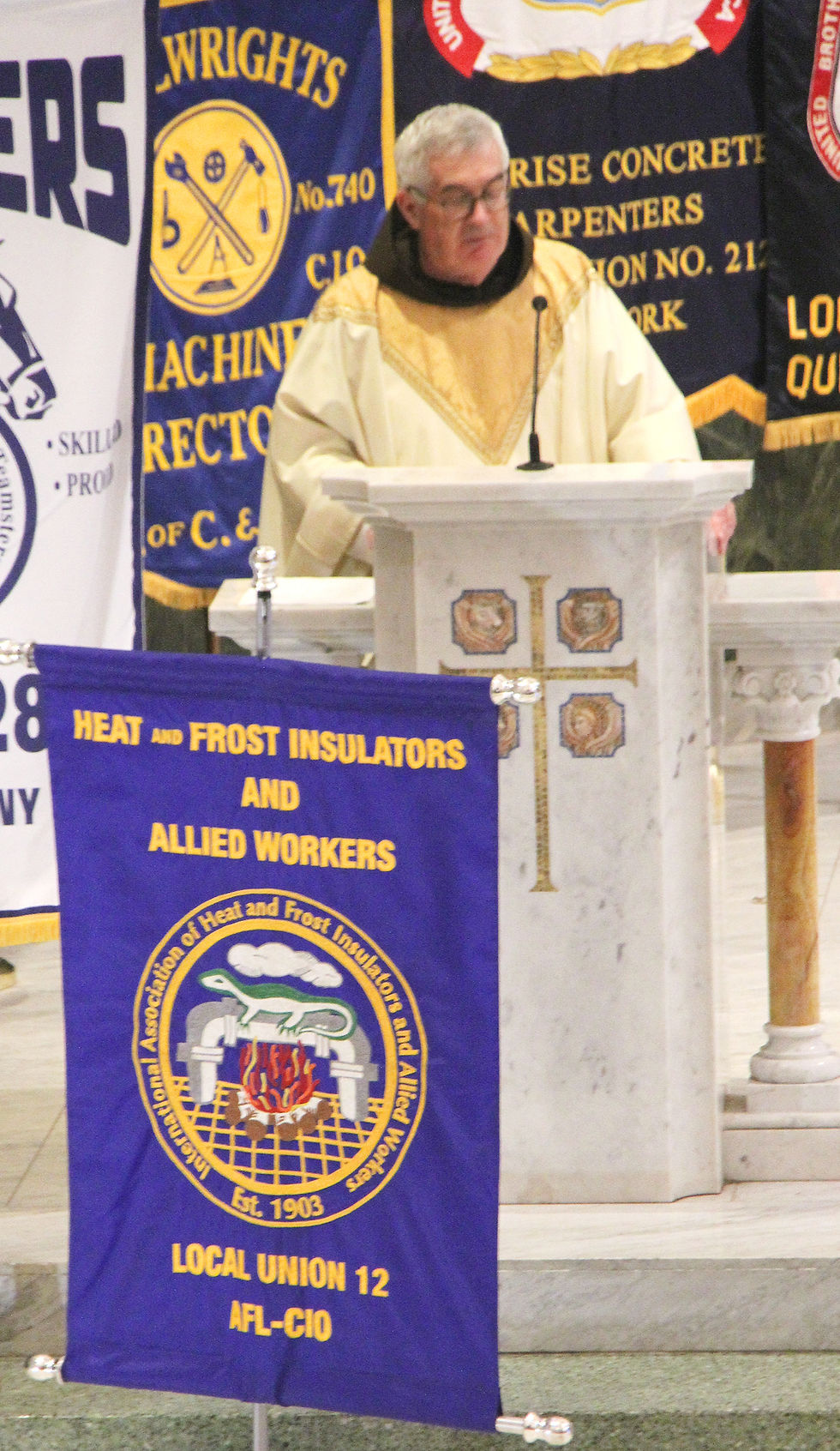
Su actual líder espiritual, Fr. Brian J. Jordan O.F.M, personalmente dirigió el traslado y colocación de piezas recuperadas del WTC en la iglesia, con el propósito de recordar a las víctimas de los atentados. San Francisco mantiene la memoria y la oración, recordando a las generaciones futuras sobre las vidas perdidas, los sacrificios realizados y reforzando el espíritu de la gente que ayudó a recuperarse a la ciudad de uno de los días más trágicos de la historia.
Its current spiritual leader, Fr. Brian J. Jordan, O.F.M., personally oversaw the transport and installation of pieces recovered from the WTC within the church, with the aim of honoring the victims of the attacks. St. Francis preserves this memory and spirit of prayer, reminding future generations of the lives lost and sacrifices made, while reinforcing the spirit of the people who helped the city recover from one of the most tragic days in history.
Para quienes vivimos aquellos acontecimientos y conocimos a muchos de los líderes obreros, trabajadores y rescatistas vinculados a la recuperación de la Zona Cero, este memorial representa mucho más que una simple exposición, es un lugar de duelo, recuerdo y oración.
For those of us who lived through those events and knew many of the labor leaders, workers, and rescue personnel involved in the recovery of Ground Zero, this memorial represents much more than a simple exhibition; it is a place of mourning, remembrance, and prayer.

LOS TRABAJADORES QUE RECONSTRUYERON NUEVA YORK

Cuando se habla del ataque terrorista de 9/11, la atención pública se concentra en las víctimas y en quienes les asistieron en tareas de rescate inmediato: bomberos, paramédicos, policía, que fueron las figuras más visibles el día del atentado, pero pocos comprenden que, además de las víctimas directas en el WTC y de quienes les asistieron, fue igual de trágico y doloroso el largo trabajo posterior.
When discussing the 9/11 terrorist attack, public attention focuses on the victims and those who assisted in immediate rescue efforts—firefighters, paramedics, and police officers—who were the most visible figures on the day of the attack; yet few realize that, beyond the direct victims at the World Trade Center and their rescuers, the long, arduous work that followed was equally tragic and painful.

Las labores de rescate, limpieza, remoción de restos y de escombros posteriores, así como la reconstrucción de la zona, estuvo directamente a cargo de los trabajadores de la construcción, quienes en Nueva York se encuentran organizados por sus oficios específicos, en sindicatos o uniones locales. Muchos de ellos asistieron ese mismo día, como los obreros especializados en cortar metal.
Rescue, cleanup, and debris removal operations, as well as the subsequent reconstruction of the area, were directly carried out by construction workers—who in New York are organized by specific trades into local unions. Many of them arrived that very day, such as workers specializing in metal cutting.

Después de los bomberos y policías, los trabajadores de la construcción fueron uno de los grupos más directamente marcados por las consecuencias de 9/11 y durante los años posteriores, cientos han enfermado y fallecido a consecuencia de la exposición a la toxicidad de la Zona Cero.
After firefighters and police officers, construction workers were one of the groups most directly affected by the aftermath of 9/11; in the years that followed, hundreds have fallen ill and died as a result of exposure to the toxins at Ground Zero.

25o ANNIVERSARIO DEL 9/11
Para las conmemoraciones del 25.º aniversario del ataque terrorista de 9/11, San Francisco de Asís incluyó varias ceremonias, entre ellas una misa con el Depto. de Incendios de Nueva York (FDNY); otra con los sindicatos de la construcción de Nueva York y una misa con la comunidad coreana. Solo el 9/11 del 2026 en San Francisco de Asís se oficiaron cinco misas de recordación.
For the 25th-anniversary commemorations of the 9/11 terrorist attack, San Francisco de Asisi held several ceremonies, including a Mass with the New York City Fire Department (FDNY), another with New York construction unions, and a Mass with the Korean community. On September 11, 2026, alone, five memorial Masses were celebrated at St. Francis of Assisi.

MISA CON LOS OBREROS DE CONSTRUCCIÓN
La misa del 11 de septiembre a las 12:30 p.m. fue dedicada a los sindicatos de trabajadores de la construcción, directamente vinculados a la recuperación de la Zona Cero. 61 trabajadores de la construcción fallecidos ese día, fueron especialmente recordados con sus nombres completos y una presencia simbólica para mantener viva su memoria en la historia de Nueva York.
The September 11th Mass at 12:30 p.m. was dedicated to the construction workers' unions directly involved in the recovery efforts at Ground Zero. The 61 construction workers who lost their lives in the aftermath were specially commemorated—their full names were read and a symbolic presence maintained—to keep their memory alive in New York history.

Réplicas de las Torres Gemelas conteniendo los cascos de los 61 trabajadores de construcción, fallecidos a consecuencia del ataque terrorista, fueron colocados a los costados del altar mayor de la iglesia principal en San Francisco de Asís.
Asistieron sindicatos de Nueva York parte de la AFL-CIO, -la federación de sindicatos más grande de Estados Unidos-, para honrar a todos los trabajadores de la construcción que participaron después del ataque, como en la recuperación posterior.
New York unions affiliated with the AFL-CIO—the largest federation of unions in the United States—attended to honor all the construction workers who participated following the attack, as well as in the subsequent recovery efforts.

La imagen de los estandartes sindicales fue poderosa en sí misma, pero el detalle de las réplicas de las Torres Gemelas, -construidas por el sindicato de carpinteros-, conteniendo los cascos con los nombres de los trabajadores y sus respectivas uniones (sindicatos), añadió a la ceremonia una dimensión profundamente humana, fue una forma de preservar la memoria de personas concretas.
The sight of the union banners was powerful in itself, but the detail of the Twin Towers replicas—built by the carpenters' union—containing hard hats bearing the names of the workers and their respective unions added a deeply human dimension to the ceremony; it was a way of preserving the memory of specific individuals.


LA COMUNIDAD COREANA Y LA MEMORIA DEL 9/11,
UNA TRAGEDIA INTERNACIONAL
La memoria de 9/11 trasciende fronteras. San Francisco históricamente ha atendido a sucesivas poblaciones inmigrantes, alemanes, irlandeses, latinoamericanos. Entre los 70 y 80 floreció junto a San Francisco, -en la calle 32-, una activa comunidad coreana, conformada por aproximadamente 150 empresas entre restaurantes, panaderías, librerías, bancos, tiendas de belleza, artesanías, supermercados etc. por lo cual San Francisco ofrece los domingos una misa en coreano.
Para el 2001 la comunidad coreana de Midtown Manhattan ya estaba bien establecida y 25 surcoreanos que trabajaban en el WTC o que se encontraban ahí por negocios, fallecieron

The memory of 9/11 transcends borders. San Francisco has historically served successive immigrant populations—Germans, Irish, and Latin Americans. Between the 1970s and 1980s, an active Korean community flourished alongside San Francisco—specifically on 32nd Street—comprising approximately 150 businesses, including restaurants, bakeries, bookstores, banks, beauty shops, craft stores, and supermarkets; consequently, San Francisco offers Sunday Mass in Korean. By 2001, the Korean community in Midtown Manhattan was already well-established, and 25 South Koreans who worked at the World Trade Center or were there on business lost their lives in the terrorist attack.en el ataque terrorista.
El 9/11 DE 2026, San Francisco dedicó una misa a la comunidad coreana, la cual estuvo precedida por el Hon. Stephen Kim Sang-ho, cónsul general de la República de Corea en Nueva York y su esposa. El cónsul Kim, -quien asumió el cargo en mayo de 2026-, fue alcalde de la ciudad de Hanan, en Corea del Sur. Durante la misa se leyeron los nombres de todos los ciudadanos coreanos que perecieron en el ataque terrorista, quienes recibieron además un homenaje musical.
On September 11, 2026, San Francisco dedicated a Mass to the Korean community, attended by the Honorable Stephen Kim Sang-ho, Consul General of the Republic of Korea in New York, and his wife. Consul Kim—who assumed his post in May 2026—previously served as the mayor of Hanam, South Korea. During the Mass, the names of all Korean citizens who perished in the terrorist attack were read aloud, and a musical tribute was also presented in their honor.
Las conmemoraciones del 25o aniversario de 9/11 en San Francisco de Asís fueron impactantes, porque convergieron muchas historias: la de las víctimas, los sobrevivientes, los trabajadores, los inmigrantes, las familias, la comunidad católica y la de quienes estamos encargados de registrar y transmitir estos hechos para la historia.
The 25th-anniversary commemorations of 9/11 at St. Francis of Assisi were deeply moving because many stories converged there: those of the victims, survivors, workers, immigrants, families, and the Catholic community, as well as the stories of those of us charged with recording and passing on these events for history.

LA MEMORIA DE 9/11 HABITA EN LA CALLE 31
La memoria del 9/11 no solo permanece en los monumentos, ceremonias religiosas o los actos oficiales, también vive en las personas que continúan ocupando los mismos espacios de aquella mañana.
The memory of September 11th endures not only in monuments, religious ceremonies, or official events; it also lives on in the people who continue to occupy the same spaces they did that morning.

Sobre la calle 31, -donde está la iglesia de San Francisco-, en dirección a Park Avenue, se encuentra el restaurante Cinco de Mayo. Su gerente y copropietario, Tony González, continúa trabajando en el mismo lugar donde se encontraba el 11 de septiembre de 2001, entonces llamado The Pump.
The Cinco de Mayo restaurant is located on 31st Street—where the San Francisco church stands—heading toward Park Avenue. Its manager and co-owner, Tony González, continues to work at the very spot where he was on September 11, 2001—a place known at the time as The Pump.

Después de veinticinco años, Tony Gonzélez continúa detrás del mismo mostrador, en el mismo luga sobre la misma calle 31, recordando a clientes que salieron una mañana rumbo al World Trade Center y nunca regresaron.
After twenty-five years, Tony González remains behind the same counter, in the same spot on 31st Street, remembering customers who set off one morning for the World Trade Center and never returned.
En un breve testimonio en video, Tony recordó como desde Park Ave. observó el 9/11 el humo de las torres incendiándose y como vio pasar a personas cubiertas por el polvo de los escombros, caminando desorientadas tras el colapso de las torres. Muchos eran sus clientes habituales, quienes cada mañana compraban en su tienda su desayuno, antes de dirigirse al World Trade Center y que al finalizar la jornada, regresaban para comprar la cena. Algunos nunca volvieron.
In a brief video testimonial, Tony recalled watching the smoke from the burning towers on 9/11 from Park Avenue and seeing people walk by—disoriented and covered in dust from the debris—after the towers collapsed. Many were regular customers who bought breakfast at his shop every morning before heading to the World Trade Center, and who would return to buy dinner at the end of the day. Some never came back.
Veinticinco años después, Tony permanece en el mismo lugar, convertido sin proponérselo en un testigo silencioso de la historia de Nueva York. Algunas personas recuerdan el 11 de septiembre visitando memoriales, Tony lo recuerda abriendo cada mañana la misma puerta por la que entró aquel día que cambió la historia.
Twenty-five years later, Tony remains in the same spot, having unwittingly become a silent witness to the history of New York. While some people commemorate September 11th by visiting memorials, Tony remembers it by opening the very same door he walked through on that day that changed history.
La calle 31 une físicamente espacios diferentes que cumplen una función similar, preservar la identidad, la memoria y el sentido de comunidad. San Francisco de Asís preserva la memoria espiritual, la de los trabajadores y de las víctimas, Cinco de Mayo preserva la memoria cultural, la herencia latinoamericana en la ciudad.
31st Street physically connects distinct spaces that serve a similar function: preserving identity, memory, and a sense of community. San Francisco de Asís preserves spiritual memory—as well as the memory of workers and victims—while Cinco de Mayo preserves cultural memory and the city's Latin American heritage.

La conexión profunda es que ambos lugares han servido durante décadas a comunidades trabajadoras e inmigrantes de Nueva York, uno desde la fe, el otro desde la vida cotidiana. Uno recibe a quienes buscan oración, el otro recibe a quienes buscan alimento y los dos, acumulan historias humanas. Los dos también comparten la memoria del 9/11, que sigue viva porque permanece en los lugares y en las personas que nunca abandonaron la calle 31.
The profound connection is that both places have served New York’s working-class and immigrant communities for decades—one through faith, the other through daily life. One welcomes those seeking prayer, the other welcomes those seeking food, and both have amassed a wealth of human stories. Both also share the memory of 9/11, a memory that remains alive because it endures in the places and the people who never left 31st Street.
QUIENES ESCRIBIMOS LA HISTORIA
Durante catorce años fuimos parte de esta zona y del corredor en la calle 31, que une a la Iglesia de San Francisco de Asís, el cuartel de bomberos y 3 cuadras hacia el este, al Cinco de Mayo a pasos de Park Ave, que es parte de nuestro network para promover la historia y la hermandad internacional a través de la educación, el arte y la cultura. Entidades distintas, pero todas forman parte de una misma geografía humana construida por trabajadores, sacerdotes, inmigrantes, familias y comunidades que han dado forma a la ciudad.
For fourteen years, we were part of this area and the 31st Street corridor—connecting the Church of St. Francis of Assisi and the fire station to Cinco de Mayo, just steps from Park Ave—which is part of our network dedicated to promoting history and international brotherhood through education, art, and culture. These are distinct entities, yet they all form part of the same human landscape shaped by the workers, priests, immigrants, families, and communities that have defined the city.

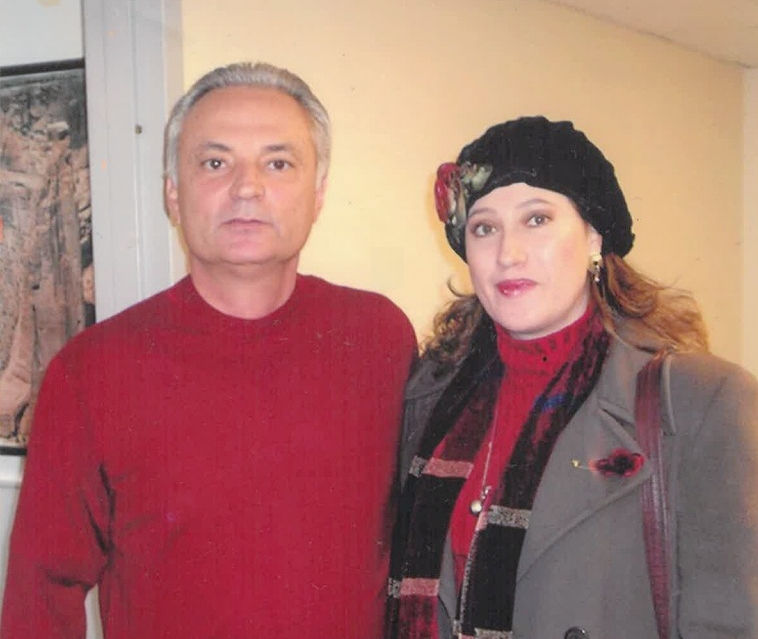
In loving memory of my mentor, best friend, and Prince, Dennis J. Ippolito, Business Manager of Local 12, with whom I watched the towers fall from his office in Long Island City on Tuesday, September 11, 2001. Dennis went to Ground Zero the following day. He passed away prematurely from cancer on July 1, 2017.
Registramos la historia no solo porque el pasado es importante, contamos la historia porque los seres humanos son importantes. Preservar la historia es una responsabilidad compartida, porque algún día, cuando otros recorran esas mismas calles, entren a San Francisco o al Cinco de Mayo, encuentren estas fotografías o lean estos testimonios, tendrán una perspectiva del tiempo que nosotros vivimo y comprenderán mejor quiénes fuimos, qué experimentamos y cómo una ciudad entera, encontró la manera de recordar una catástrofe.
We record history not only because the past matters; we tell the story because human beings matter. Preserving history is a shared responsibility, for one day—when others walk these same streets, enter San Francisco or Cinco de Mayo, discover these photographs, or read these testimonies—they will gain a perspective on the times we lived through and better understand who we were, what we experienced, and how an entire city found a way to remember a catastrophe.

Entonces nuestro testimonio, artículos e investigaciones, nuestra presencia en este mundo y en este tiempo, se convertirán a su vez en parte de la historia, conectado pasado, presente y futuro.
Then our testimony, articles, and research—our presence in this world and in this time—will in turn become part of history, connecting past, present, and future.

La historia es la voz y conciencia de la experiencia humana.
History is the voice and conscience of human experience.
Ximena Hidalgo Ayala
Esta nota se comparte gacias al respaldo de:

OVER 40 YEARS OF TRADITION & PASSION
Serving New York since 1978. Food that tastes great,
made with fresh ingredients & is good for you!
CINCO DE MAYO MURRAY HILL

113 East 31st St, New York, NY 10016
(Few steps from Park Ave. in Manhattan)
Close to Saint Francis of Assisi, Penn Station, Macy's & Empire State Building
212 725 - 1411
Abierto los 7 días de la semana / Open every day of the week
Lunes - viernes 10AM - 9PM
Monday -Friday 10AM - 9PM
Sábados y domingos Desde el mediodía a 8PM
Saturday & Sunday From Noon to 8PM
RECOGNIZED FOR OUTSTANDING
CATERING SERVICES FOR ALL OCASSIONS
Follow them on social media for updates and news — just click the logo below:

CINCO DE MAYO MURRAY HILL es miembro de XHA CLUB
Network de prestigiosos y renombrados empresarios y profesionales y emprendedores, dedicado a promover el rescate de la presencia latinoamericana en la Historia de Nueva York, trabajo que desde 2006 desarrolla el
Comité Internacional Galo Plaza Inc.,
establecido por Ximena Hidalgo Ayala para mantener el legado del líder internacional nacido en la capital del mundo, en el 5 West de la calle 8 y 5a Ave. de Manhattan, el 17 de febrero de 1906.
Para conocer sobre el comité haga click en el siguiente logo:

Para conocer a todos los miembros de XHA CLUB
haga clic en el logo a continuación y
apoye a los empresarios y profesionales de gran nivel,
que respaldan la HISTORIA, EDUCACIÓN Y CULTURA

Promoviendo la historia de los latinoamericanos gracias al invaluable
legado del líder internacional Galo Plaza
PROHIBIDO EL USO, REPRODUCCIÓN O PUBLICACIÓN DE ESTE CONTENIDO SIN CITAR LA FUENTE: AUTOR Y SITIO WEB
©2026 Ximena Hidalgo Ayala/ XHA CLUB All Rights Reserved